How to Start an NEMT Business in Pennsylvania
Everything it takes to start a NEMT business in Pennsylvania: entity setup, your PUC operating authority, PROMISe Medicaid enrollment, county MATP credentialing, insurance, dispatch software, and going live, laid out in the order you'll actually tackle it.
What NEMT providers in Pennsylvania are working with
about 13.0 million
Residents statewide in Pennsylvania, the pool of potential facility and private-pay referrals your fleet can reach.
Pennsylvania Medical Assistance
Pennsylvania's Medicaid program. Members eligible for non-emergency transport benefits are routed through it before reaching a broker.
ModivCare, MTM, Access2Care, and Alivi Health
The Medicaid transportation broker(s) active in Pennsylvania that assign trips and set per-mile rates for credentialed providers.
9 Steps to Start an NEMT Business in Pennsylvania
Pennsylvania doesn't run NEMT the same way in every county. The Medical Assistance Transportation Program, or MATP, splits the state into three genuinely different models: 54 counties run MATP in-house or through their own county-level system, Philadelphia County runs a broker model, and 12 counties let the Department of Human Services manage NEMT directly. Which model applies to you depends entirely on which county you're operating in, not a single statewide process.
This guide covers the NEMT business requirements Pennsylvania actually enforces, in the order operators usually work through them: business registration, your Public Utility Commission operating authority, insurance, vehicle and driver setup, dispatch software, PROMISe enrollment, and county-specific MATP credentialing. Pennsylvania is also actively studying changes to this system, a 2025 legislative act ordered a formal MATP broker study, so confirm current county-level rules directly rather than relying on older guides.

Form your LLC with the Pennsylvania Department of State, get an EIN from the IRS, and pick up a local business license, required in many Pennsylvania municipalities.
Apply for a Type 2 (Organization) National Provider Identifier at NPPES.hhs.gov. You'll need it for both your PROMISe enrollment and your county MATP or broker credentialing later on.
For-hire passenger transportation in Pennsylvania is regulated by the Public Utility Commission, and you need PUC operating authority before you can legally carry passengers for pay. This is a separate requirement from Medicaid enrollment, budget $1,000 to $3,000 in licensing fees and don't expect Medicaid enrollment to substitute for it.
Get commercial auto liability, general liability, and workers' compensation once you have employee drivers. Confirm your county's MATP model or your target broker's exact limit requirements before you buy, since these can vary depending on which of Pennsylvania's three MATP structures covers your area.
Register and inspect your vehicles to Pennsylvania safety standards. Confirm your specific county's vehicle requirements before you finalize your fleet, since county-run MATP programs can layer on their own equipment expectations beyond the state baseline.
Pennsylvania drivers need a valid state license, a background check, and drug testing. Add CPR/First Aid certification, since most county MATP programs and brokers expect it as standard before a driver can be assigned trips.
Get a HIPAA-compliant dispatch platform running before you approach PROMISe or your county MATP program. It's what receives trip assignments, captures GPS-verified pickup and drop-off times, runs your driver mobile app, and keeps documentation consistent even though your county's specific requirements might differ from a neighboring county's.
Submit your provider enrollment through the Pennsylvania Department of Human Services' PROMISe system so the state recognizes you and you can be reimbursed for covered trips. This is the statewide Medicaid enrollment step, separate from your county-specific credentialing path.
Identify which of Pennsylvania's three MATP models applies to your service area, county in-house, Philadelphia's broker model, or DHS-managed, and credential accordingly. Build your website, Google Business Profile, and local SEO around your actual county, not a generic statewide claim, once this step clears.
The Pennsylvania NEMT Market in Numbers
What you're working with before you file your first document.
Pennsylvania residents across Philadelphia, Pittsburgh, and county-run MATP territory that Medicaid NEMT benefits could route to your fleet.
54 counties run in-house, Philadelphia uses a broker model, and 12 counties let DHS manage NEMT directly.
The operating authority requirement separate from anything Medicaid-related, foundational to legally operating at all.
Pennsylvania is actively reviewing potential changes to its MATP structure, with a report issued in 2026.
ModivCare, MTM, Access2Care, and Alivi Health operate in parts of the state depending on the county model.
Business registration through county-specific credentialing, when the parallel tracks are run correctly.
Licensing, Vehicles, Software, Brokers & Marketing in Pennsylvania
Pennsylvania's Medical Assistance Transportation Program is overseen statewide by the Department of Human Services, but how it's actually administered depends entirely on which county you're in. Fifty-four counties operate MATP at least partially through an in-house or county-run model. Philadelphia County, the state's largest and most competitive NEMT market, uses a broker model instead. Twelve counties elected to let DHS manage NEMT services directly rather than running their own program.
This means your credentialing path in Bucks County looks nothing like your credentialing path in Philadelphia, even though both fall under the same statewide MATP umbrella. Confirm your specific county's model before you build a credentialing strategy, since assuming one county's process applies statewide is a common and costly mistake.
Pennsylvania is also actively reconsidering this structure. Act 46 of 2025 ordered a formal MATP broker study, with a report issued in mid-2026 examining potential changes to how the state runs this system. Check current status directly with DHS or your county MATP office rather than relying on a guide that predates this review.
Separate from anything Medicaid-related, Pennsylvania's Public Utility Commission regulates for-hire passenger transportation, and you need PUC operating authority before you can legally carry passengers for pay in the state. Budget $1,000 to $3,000 in licensing fees for this step.
This authority isn't something your PROMISe Medicaid enrollment or county MATP credentialing substitutes for. Get it in place early in your timeline, since it's foundational to legally operating at all, regardless of which county-specific NEMT model you're working within.
Pennsylvania requires commercial auto liability, general liability, and workers' compensation once you have employee drivers, with annual insurance costs commonly running $5,000 to $10,000 per vehicle. Confirm your specific county's MATP requirements or your target broker's limits before you buy a policy, since these vary depending on which of the three MATP models covers your area.
Vehicle requirements can also differ by county, since county-run MATP programs sometimes layer their own equipment expectations on top of the state baseline. Confirm your specific county's vehicle checklist rather than assuming a statewide standard applies uniformly.
A dispatch platform built for NEMT handles the basics everywhere: receiving trip assignments, capturing GPS-verified pickup and drop-off times, and running a driver mobile app. In Pennsylvania, that platform also needs to handle documentation that can vary meaningfully by county, since a county-run MATP program's expectations can differ from Philadelphia's broker model or a DHS-managed county's process.
RouteGenie, MediRoutes, TripSpark, and RoutingBox are common choices among Pennsylvania operators, particularly ones flexible enough to adapt to different county-level workflows if you're serving more than one MATP model. Treat it as a monthly cost, not a one-time purchase, and build it into what you charge per trip from the start.
PROMISe is Pennsylvania's Medicaid management information system, and enrolling as a transportation service provider through it is the statewide step that makes you eligible for reimbursement. This runs separately from your county-specific MATP credentialing, which determines how you actually get connected to trips.
Once PROMISe enrollment clears, pursue credentialing based on your specific county's model: apply directly to your county's MATP office if it runs an in-house program, apply to the broker if you're serving Philadelphia, or work through DHS if your county is one of the twelve it manages directly. ModivCare, MTM, Access2Care, and Alivi Health also operate broker relationships in parts of the state, so confirm which applies to your specific service area.
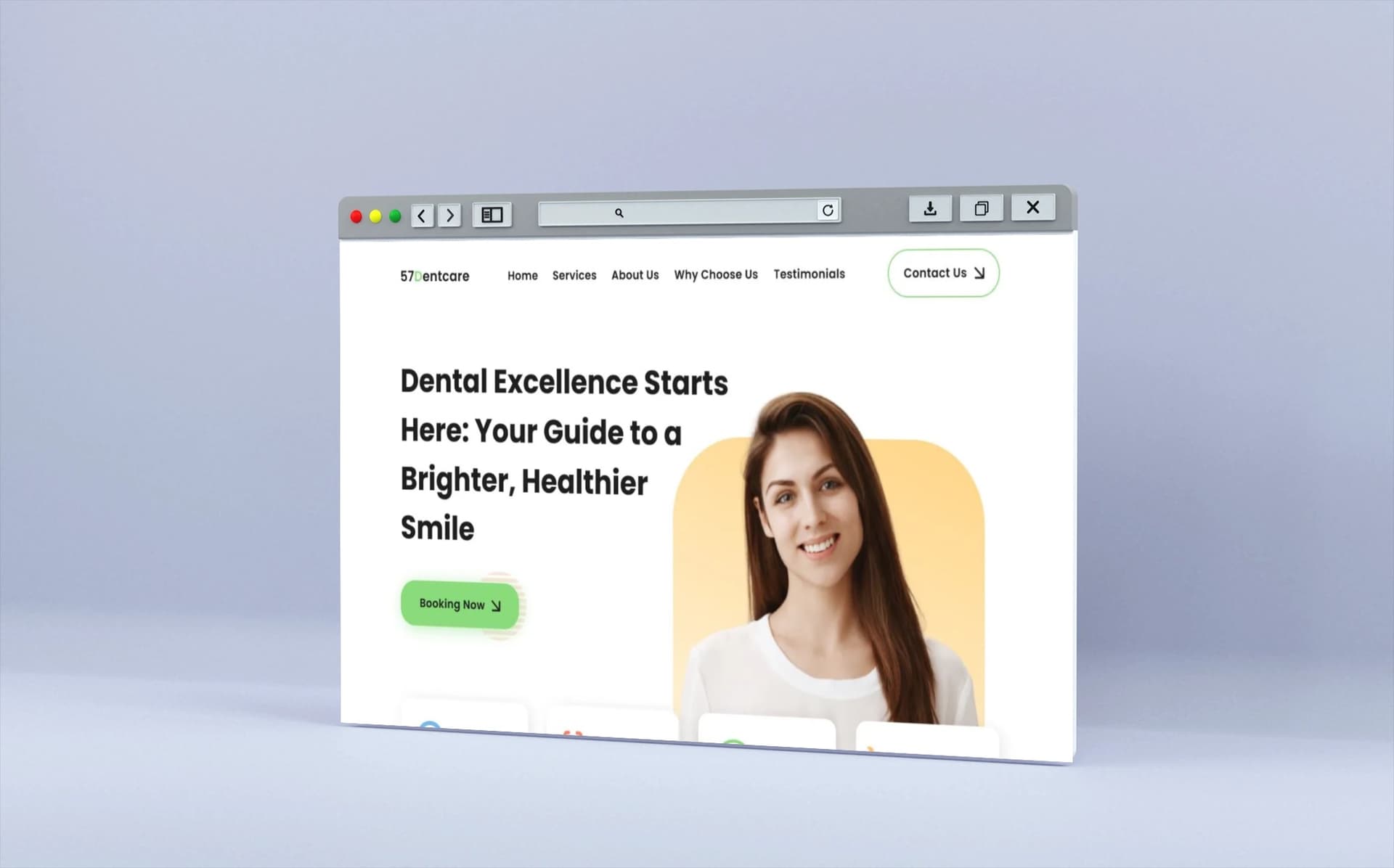
Philadelphia and Pittsburgh anchor Pennsylvania's two major metro markets, each with its own competitive landscape, while the counties between them run under Pennsylvania's more fragmented MATP structure. Your site needs a service area page built for your specific county's actual MATP model, not a generic statewide page. We build broker-ready NEMT websites sized to whichever Pennsylvania county or metro you actually serve.
Claim and verify your Google Business Profile the same week you register your business. List it under Non-Emergency Medical Transportation Service, set your service area to the specific county or counties you cover, and start collecting reviews early.
In Philadelphia and Pittsburgh, expect local SEO rankings to take 90 to 150 days given the competition. In counties running the in-house MATP model with less competition, meaningful rankings can show up faster. Either way, branding and a working website let you capture private-pay bookings while your PUC, PROMISe, and county credentialing are still working through the system.

Ready to launch your Pennsylvania NEMT business?
We build broker-ready websites and marketing systems for Pennsylvania NEMT operators from day one, sized to your specific county's MATP model, so you're pulling in private pay and facility bookings while your PUC, PROMISe, and county applications are still processing.
3 Mistakes That Slow Down Pennsylvania Operators
The most common, and most avoidable, delays new operators run into.
Pennsylvania runs three genuinely different MATP models depending on county. A credentialing strategy built around Philadelphia's broker model won't work in a county running its own in-house program, and vice versa.
PROMISe gets you into the state's Medicaid billing system, but you still need PUC operating authority and county-specific MATP credentialing. All three are required pieces, not alternative paths to the same approval.
This requirement is entirely separate from Medicaid enrollment, and it's foundational to legally carrying passengers for pay in Pennsylvania at all. Operators who focus only on Medicaid-side paperwork can miss it entirely.
What It Costs and How Long It Takes in Pennsylvania
LLC formation & PA Department of State filing
$125
PUC operating authority licensing fees
$1,000 – $3,000
Vehicle (used wheelchair van)
$25,000 – $55,000
Commercial auto insurance (annual, per vehicle)
$5,000 – $10,000
General liability & workers' comp (annual)
$1,500 – $4,000
Driver background check, CPR/First Aid per driver
$300 – $600
NEMT dispatch software (monthly, per vehicle)
$100 – $300 / mo
Website and branding
$999 – $3,000
Business registration, EIN, NPI
1 – 2 weeks
PUC operating authority
4 – 10 weeks
Insurance binding, vehicle & driver setup (parallel)
3 – 6 weeks
PROMISe Medicaid enrollment
30 – 60 days
County-specific MATP credentialing
4 – 10 weeks
Total, start to first trip
Typically 3 – 6 months
Who Should Start an NEMT Business in Pennsylvania?
Pennsylvania's NEMT opportunity depends heavily on which county's MATP model you're operating under, from Philadelphia's broker system to counties running their own in-house programs.
Philadelphia Operators
Operating under Pennsylvania's broker-model county, competing for both broker trips and search visibility in one of the state's densest markets. A fast broker credentialing package and a real local SEO presence matter most here.
Pittsburgh & Western PA Operators
Serving a distinct metro market with its own MATP structure, separate from Philadelphia's broker system. A service area page built specifically for Pittsburgh outperforms a generic statewide page.
County In-House MATP Operators
Serving one of the 54 counties running MATP in-house, where the credentialing relationship is with the county itself rather than a statewide broker. Real local presence matters more than broker competition here.
Frequently asked questions
How much does it cost to start an NEMT business in Pennsylvania?
Do I need a Pennsylvania NEMT license to start my business?
What is MATP, and how does it work by county?
What is PUC operating authority, and do I need it?
Is Pennsylvania changing its MATP system?
Which NEMT brokers operate in Pennsylvania?
Can I start an NEMT business in Pennsylvania with one vehicle?
Do I need Google Business Profile and SEO to get NEMT clients in Pennsylvania?
What NEMT dispatch software do I need in Pennsylvania?
NEMT Marketing Resources
Deep dives into the strategies that help medical transport providers scale.
Article
Learn the exact strategy we use to help NEMT providers dominate local search and stop relying on broker volume.
Article
Digital credentialing is getting harder. Here is the checklist you need to pass MTM and Modivcare verification.
Article
We break down why shifting just 20% of your volume to private pay can double your net profit and improve your margins.