How to Start an NEMT Business in Michigan
Everything it takes to start a NEMT business in Michigan: entity setup, MDHHS enrollment as an Atypical provider, insurance, driver certification, dispatch software, and broker credentialing, laid out in the order you'll actually tackle it.
What NEMT providers in Michigan are working with
about 10.0 million
Residents statewide in Michigan, the pool of potential facility and private-pay referrals your fleet can reach.
Michigan Medicaid (Healthy Michigan Plan)
Michigan's Medicaid program. Members eligible for non-emergency transport benefits are routed through it before reaching a broker.
ModivCare, Veyo, and Access2Care
The Medicaid transportation broker(s) active in Michigan that assign trips and set per-mile rates for credentialed providers.
9 Steps to Start an NEMT Business in Michigan
Michigan enrolls NEMT operators through its Department of Health and Human Services (MDHHS) using a designation most new operators haven't seen before: in the state's CHAMPS provider system, NEMT companies are classified as "Atypical (non-medical) providers," a category with its own enrollment path separate from clinical Medicaid providers. Get that classification wrong or skip a required field, and your application stalls before it ever reaches review.
This guide covers the NEMT business requirements Michigan actually enforces, in the order operators usually work through them: business registration with LARA, insurance, vehicle and driver setup, dispatch software, and MDHHS enrollment. Michigan also runs a genuinely different broker field than most states, ModivCare, Veyo, and Access2Care, notably without MTM, and winters that make on-time performance a real operational challenge most southern states never have to plan around.

Register your business with Michigan's Department of Licensing and Regulatory Affairs (LARA) and get an EIN from the IRS. Pick up any local business license your city or county requires.
Apply for a Type 2 (Organization) National Provider Identifier at NPPES.hhs.gov. You'll need it for both your MDHHS enrollment and your broker applications later on.
Get commercial auto liability, general liability, professional liability, and workers' compensation once you have employee drivers. Confirm your target broker's exact limit requirements before you buy, since ModivCare, Veyo, and Access2Care each set their own minimums.
Register and inspect your vehicles to Michigan's safety and accessibility standards. Winter readiness is worth building into your vehicle and maintenance plan from day one, since Michigan winters directly affect on-time performance in a way brokers and facilities notice.
Michigan drivers need a valid state license, a clean driving record, a background check, and drug testing. Add CPR/First Aid certification and any additional training your target broker requires before a driver can be assigned trips.
Get a HIPAA-compliant dispatch platform running before you approach MDHHS or any broker. It's what receives trip assignments, captures GPS-verified pickup and drop-off times, runs your driver mobile app, and helps you manage the route delays winter weather can add to your schedule.
Submit your provider application through Michigan's CHAMPS system, correctly classified as an Atypical (non-medical) provider, not a clinical provider type. Include your vehicle and driver documentation as part of the initial submission. Budget 45 to 60 days for MDHHS review of a complete application.
Once your MDHHS enrollment clears, apply to ModivCare, Veyo, and Access2Care, whichever are active in your region, at the same time. Michigan notably doesn't run MTM, so don't waste time chasing a broker relationship that doesn't exist here.
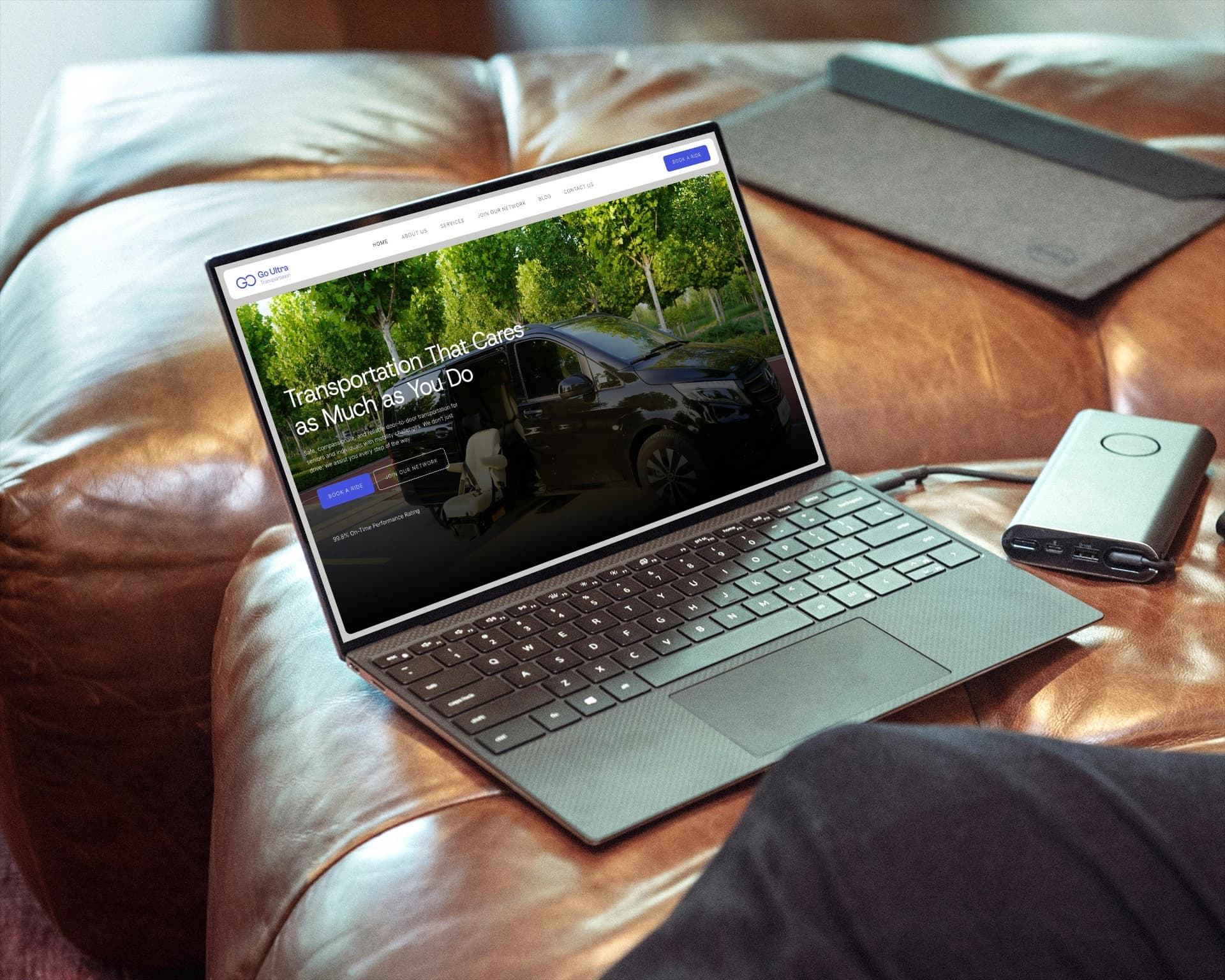
A credentialing-ready website with a service area page for your actual market, Detroit, Grand Rapids, or another Michigan metro, speeds up broker approval and starts pulling in direct facility and private-pay bookings from day one.
The Michigan NEMT Market in Numbers
What you're working with before you file your first document.
Michigan residents across Detroit, Grand Rapids, and rural counties that Medicaid NEMT benefits could route to your fleet.
The CHAMPS system category NEMT companies enroll under, separate from clinical Medicaid provider types.
ModivCare, Veyo, and Access2Care operate in Michigan, notably without MTM.
Typical processing time for a complete Atypical provider application.
On-time performance during winter weather is a genuine differentiator brokers and facilities notice.
Business registration through broker credentialing, when the parallel tracks are run correctly.
Licensing, Vehicles, Software, Brokers & Marketing in Michigan
Michigan's CHAMPS system, the state's Medicaid management information system, classifies NEMT companies as "Atypical (non-medical) providers," a designation separate from clinical Medicaid provider types. This isn't just paperwork semantics, the enrollment path, required fields, and documentation checklist differ from what a clinical provider submits, and selecting the wrong classification is a common reason applications get kicked back.
A complete Atypical provider application includes your entity documents, NPI, vehicle information, and driver documentation meeting Michigan's state requirements. Budget 45 to 60 days for MDHHS to review a complete submission, and contact MDHHS Provider Support directly if you're unsure which classification applies to your specific service model.
Michigan requires general liability, commercial auto, professional liability, and workers' compensation coverage once you have employee drivers. Confirm your target broker's actual limit requirements before you buy, since ModivCare, Veyo, and Access2Care each set their own minimums that can run above whatever the state's base standard requires.
Winter isn't a footnote in Michigan, it's a genuine operational factor. Vehicles need to meet the state's safety and accessibility standards, but the fleets that perform best also build in weather-related maintenance and route buffer time from the start, since a missed pickup during a winter storm affects your broker relationship the same way a missed pickup for any other reason does.
Michigan drivers need a valid state driver's license, a clean driving record, a background check, and drug testing before they can be added to a driver file. Add current CPR/First Aid certification, which most brokers expect on top of the state minimum.
Build a complete driver qualification file before you submit to a broker. Missing documentation is the most common reason a driver gets held out of the trip rotation after the rest of your credentialing package clears.
A dispatch platform built for NEMT handles the standard job everywhere: receiving trip assignments, capturing GPS-verified pickup and drop-off times, and running a driver mobile app. In Michigan, software that gives you real-time visibility into route delays matters more than in most states, since winter weather can turn a routine pickup into a late one without warning.
RouteGenie, MediRoutes, TripSpark, and RoutingBox are common choices among Michigan operators. Treat it as a monthly cost, not a one-time purchase, and build it into what you charge per trip from the start.
Michigan runs a smaller broker field than a lot of states, ModivCare, Veyo, and Access2Care, and notably no MTM, which trips up operators who assume every state's broker list looks the same. Which of the three actually serves your area depends on your region and the managed care plans active there.
Apply to all three at once once your MDHHS enrollment clears rather than waiting on one approval before starting the next. Each broker relationship is its own independent pool of trip volume, and having more than one gives you a buffer if any single broker's volume slows down.
Detroit and Grand Rapids carry Michigan's densest NEMT competition, while smaller cities and rural counties across the state see far less of it. Your site needs a service area page built for your actual market, a fleet showcase, and a trip request form. We build broker-ready NEMT websites sized to whichever Michigan market you actually serve.
Claim and verify your Google Business Profile the same week you register your business. List it under Non-Emergency Medical Transportation Service, set your service area to the specific counties or metro you cover, and start collecting reviews early.
In Detroit and Grand Rapids, expect local SEO rankings to take 90 to 150 days given the competition. In smaller Michigan markets, meaningful rankings can show up faster. Either way, branding and a working website let you capture private-pay bookings while your MDHHS and broker applications are still working through the system.

Ready to launch your Michigan NEMT business?
We build broker-ready websites and marketing systems for Michigan NEMT operators from day one, whether you're in Detroit, Grand Rapids, or a smaller market, so you're pulling in private pay and facility bookings while your MDHHS and broker applications are still processing.
3 Mistakes That Slow Down Michigan Operators
The most common, and most avoidable, delays new operators run into.
NEMT companies enroll as Atypical (non-medical) providers in Michigan's CHAMPS system, not as a clinical provider type. Picking the wrong classification, or missing a field specific to it, is a common reason applications get kicked back.
Michigan's active broker field is ModivCare, Veyo, and Access2Care, no MTM. Operators who apply expecting a four-broker landscape like some neighboring states waste time looking for a relationship Michigan doesn't offer.
A fleet without weather-related maintenance and route buffer time built in will miss pickups during storm season. Brokers and facilities track on-time performance regardless of the reason for a delay.
What It Costs and How Long It Takes in Michigan
LLC formation & LARA filing
$50 – $100
Vehicle (used wheelchair van)
$25,000 – $55,000
Commercial auto insurance (annual, per vehicle)
$5,000 – $12,000
General liability, professional liability & workers' comp (annual)
$2,000 – $5,000
Driver background check, CPR/First Aid per driver
$300 – $600
NEMT dispatch software (monthly, per vehicle)
$100 – $300 / mo
Website and branding
$999 – $3,000
Business registration, EIN, NPI
1 – 2 weeks
Insurance binding, vehicle setup (parallel)
2 – 4 weeks
Driver hiring and credentialing (parallel)
2 – 5 weeks
MDHHS Atypical provider enrollment
45 – 60 days
Broker credentialing
4 – 10 weeks per broker
Total, start to first trip
Typically 3 – 6 months
Who Should Start an NEMT Business in Michigan?
Michigan's NEMT opportunity looks different depending on your market, from Detroit's dense competition to Grand Rapids and smaller cities with more room to grow.
Detroit Metro Operators
Competing in Michigan's densest NEMT market for both broker trips and search visibility. A fast MDHHS and broker credentialing package plus a real local SEO presence matter most here.
Grand Rapids & West Michigan Operators
Serving a growing metro market with real private-pay demand and less broker competition than Detroit. A service area page built specifically for West Michigan outperforms a generic statewide page.
Rural & Northern Michigan Operators
Serving counties with real access gaps and far less competition, where winter readiness and a strong local online presence matter more than fighting for broker volume in a crowded metro.
Frequently asked questions
How much does it cost to start an NEMT business in Michigan?
Do I need a Michigan NEMT license to start my business?
What does it mean to enroll as an Atypical provider in Michigan?
How long does MDHHS provider enrollment take in Michigan?
Which NEMT brokers operate in Michigan?
Does Michigan weather affect NEMT operations?
Can I start an NEMT business in Michigan with one vehicle?
Do I need Google Business Profile and SEO to get NEMT clients in Michigan?
What NEMT dispatch software do I need in Michigan?
NEMT Marketing Resources
Deep dives into the strategies that help medical transport providers scale.
Article
Learn the exact strategy we use to help NEMT providers dominate local search and stop relying on broker volume.
Article
Digital credentialing is getting harder. Here is the checklist you need to pass MTM and Modivcare verification.
Article
We break down why shifting just 20% of your volume to private pay can double your net profit and improve your margins.