Author

Published
August 12, 2026
Reading time
10 min read
Content
Table of Contents
Key Takeaways
Start With the Right NEMT Audience
Map your buyers and referral sources
Define your most marketable services
Match marketing to dispatch capacity
Build Referral Relationships That Create Repeat Rides
Create a one-page referral packet
Use a respectful outreach sequence
Make facility outreach locally specific
Improve Local Visibility and Website Conversion
Strengthen your Google Business Profile
Build service-area pages around real coverage
Make the website answer booking questions fast
Choose Marketing Channels Based on Your Goal
Compare channels before spending
Use social media to build familiarity, not make promises
Decide whether to manage marketing internally
Track Results and Protect Patient Trust
Track the metrics that affect growth
Keep privacy and coverage claims accurate
Fix common marketing failures before adding budget
Conclusion
Sources and References
Blog post categories
Need a Digital Partner?
Access a dedicated team of NEMT designers and developers. We handle your tech, branding, and growth so you can focus on your mission.
See How It WorksNEMT Marketing Ideas That Bring More Bookings
NEMT marketing ideas work best when they connect your service to the people who actually influence transportation decisions: riders, family caregivers, discharge planners, case managers, clinics, and facility staff. I recommend starting with a focused local plan rather than broad advertising that produces inquiries your dispatch team cannot convert.
For non-emergency medical transportation providers, marketing is not only about generating calls. It is about building trust before the first ride, making eligibility and service areas clear, and creating a booking process that is easy for both private-pay riders and referral partners.
Table of Contents
• Start with the right NEMT audience
• Build referral relationships that create repeat rides
• Improve local visibility and website conversion
• Choose marketing channels based on your goal
• Track results and protect patient trust
• FAQ: NEMT marketing ideas
Key Takeaways
• Focus first on the decision-makers who can create recurring ride demand, not just one-time inquiries.
• Build a simple referral process for hospitals, dialysis centers, assisted living communities, and care coordinators.
• Make local search visibility, service-area clarity, and booking speed core parts of your website strategy.
• Measure booked rides, repeat rides, and qualified referrals instead of treating clicks or calls as final results.
• Avoid making coverage, authorization, or eligibility promises that depend on payer rules or state Medicaid program requirements.
Start With the Right NEMT Audience
A broad message such as “transportation for everyone” can make an NEMT company sound interchangeable. A stronger approach is to identify who needs to trust you and what each group needs to know before referring or booking.
Map your buyers and referral sources
The patient is not always the person choosing the provider. A family caregiver may make the call, while a discharge planner or facility coordinator may shape the recommendation. I recommend building messaging around each decision-maker’s practical concern.
| Audience | Primary concern | Message to emphasize | Best first touchpoint |
|---|---|---|---|
| Private-pay rider | Reliable, accessible transport | Service area, vehicle accessibility, booking steps | Google Business Profile and website |
| Family caregiver | Safety and clear communication | Driver professionalism, ride updates, simple scheduling | Website, phone intake, local search |
| Discharge planner | Fast, dependable handoff | Availability process, referral contact, pickup coordination | Referral sheet and direct outreach |
| Dialysis center staff | Consistent recurring transportation | Scheduled ride capacity, wheelchair options, dispatch contact | In-person introduction and follow-up |
| Assisted living staff | Resident mobility and dependable scheduling | Accessibility, group coordination, service hours | Facility packet and relationship outreach |
| Medicaid-related referral pathway | Program-specific eligibility and authorization | Accurate process information without guarantees | State-specific materials and credentialing outreach |
This distinction matters because each audience evaluates risk differently. A caregiver may need reassurance that the booking process is straightforward. A discharge planner may need a fast way to confirm whether a trip can be arranged. Dialysis staff may care most about reliability across repeated appointment schedules.
Define your most marketable services
I suggest choosing two or three services to lead with instead of presenting every capability with equal weight. Your best offer depends on vehicle configuration, staffing, service area, payer relationships, and dispatch capacity.
• Wheelchair transportation for medical appointments
• Stretcher transportation, if properly equipped and authorized for the service
• Dialysis transportation for recurring appointments
• Hospital discharge transportation
• Assisted living and senior community transportation
• Private-pay medical appointment rides
Fair warning: Do not promote a service simply because competitors advertise it. If dispatch cannot cover the trip type, route, or appointment timing reliably, the campaign can damage trust rather than build demand.
Match marketing to dispatch capacity
Before investing in a channel, I would ask three operational questions:
- Which trip types are the most profitable and operationally feasible?
- Which cities, counties, or ZIP codes can the fleet reliably cover?
- What happens after a prospect calls or submits a form?
For example, an ad campaign may generate calls for same-day rides. If your company requires advance scheduling, the campaign needs to say so clearly. Otherwise, staff time gets consumed by unqualified inquiries, and prospective riders leave frustrated.
Build Referral Relationships That Create Repeat Rides
Referral relationships can be more valuable than broad awareness campaigns because a facility or coordinator may have recurring transportation needs. This is not guaranteed, and each organization has its own vendor process, but a facility-first approach often fits the economics of scheduled medical transportation.
Create a one-page referral packet
A referral packet should reduce work for the staff member handling transportation coordination. Keep it practical, readable, and easy to print or forward.
| Referral asset | What to include | Why it helps |
|---|---|---|
| One-page referral sheet | Services, service area, booking phone number, scheduling lead time | Makes your service easy to evaluate quickly |
| Accessibility overview | Wheelchair, stretcher, escort, or vehicle details as applicable | Helps staff match patient needs to the right ride type |
| Scheduling guide | Required trip details and expected confirmation process | Reduces incomplete referrals |
| Credentials summary | Licensure, insurance, or program status only where accurate | Builds confidence without overclaiming |
| Contact card | Dedicated dispatch or referral contact | Gives staff a clear escalation path |
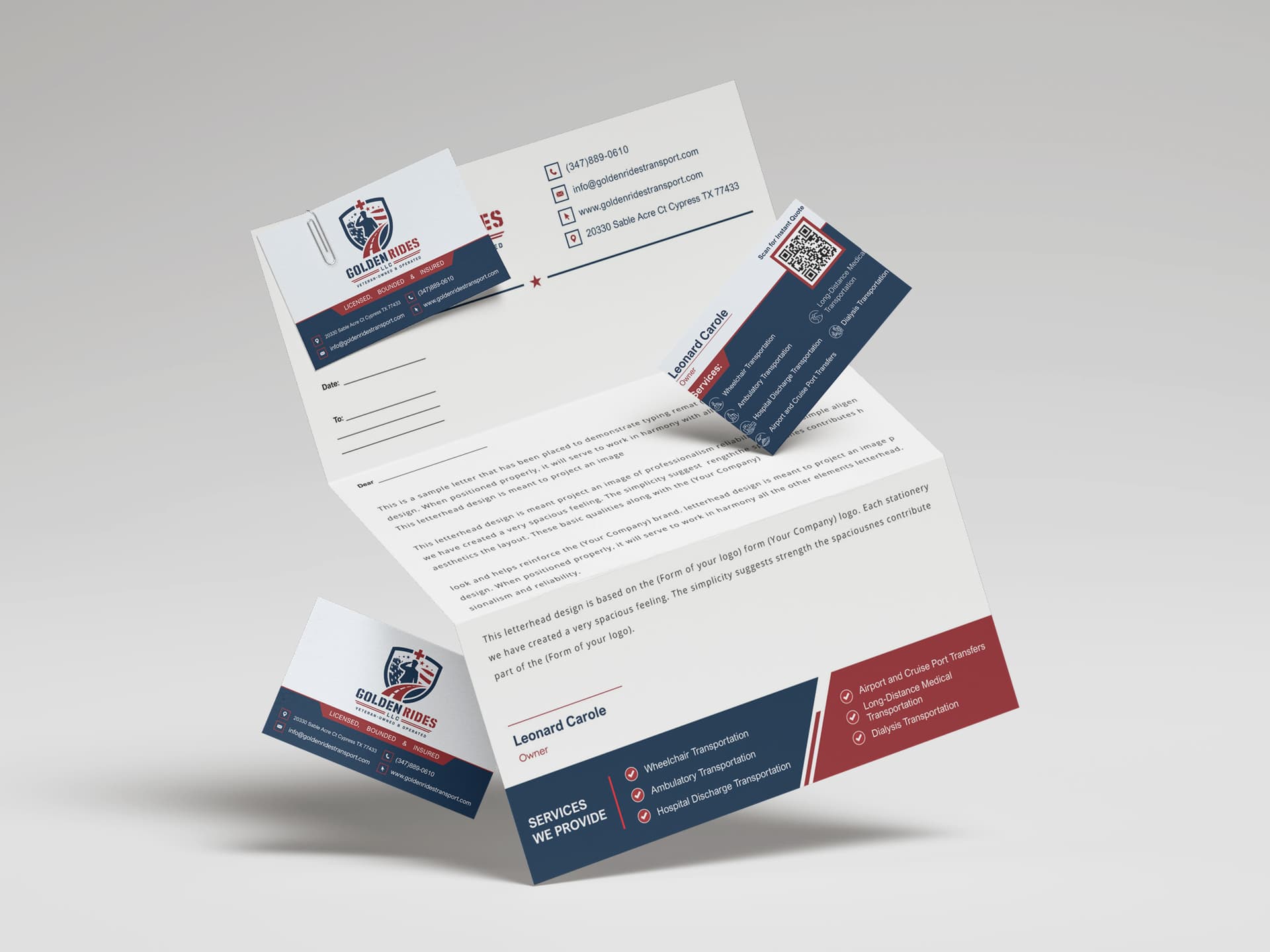
A useful referral sheet does not need to be elaborate. It needs to answer the questions staff ask under time pressure: Where do you go? What kinds of trips do you handle? How far ahead should we call? Who confirms the ride?
Use a respectful outreach sequence
Facilities are busy. A single email with a generic sales pitch is easy to ignore. I recommend a short sequence that offers operational value rather than demanding a meeting.
- First contact: Introduce the service area, trip types, and referral contact. Attach or offer the one-page referral sheet.
- Follow-up after several business days: Ask whether staff need a printed packet, accessibility details, or scheduling instructions.
- Second follow-up: Share one specific use case, such as recurring dialysis trips or discharge transportation, that matches the facility type.
- Periodic check-in: Stay visible without spamming. Update contacts only when there is a meaningful change, such as expanded service hours or a new service area.
For dialysis centers, lead with the practical issue: recurring appointment schedules and the need for a dependable booking workflow. For discharge planners, lead with how staff can quickly submit trip details and receive confirmation. The message should change because the job is different.
Make facility outreach locally specific
A facility will usually care less about a general marketing promise than whether you can serve its patients consistently in its area. City and state context matter.
Providers building regional campaigns can review approaches such as NEMT Marketing in Delaware and NEMT Marketing in Washington to see why local market conditions should shape service pages, outreach, and referral messaging.
Improve Local Visibility and Website Conversion
Local visibility matters because NEMT demand is usually geographically bounded. People tend to search for transportation in a city, county, or nearby region, often when an appointment or discharge need is already urgent.
Strengthen your Google Business Profile
Your Google Business Profile should provide accurate, consistent information that helps a prospect decide whether to call.
• Use the real business name and correct primary category
• Maintain accurate hours, phone number, and service areas
• Add photos that truthfully show vehicles, accessibility features, branding, and staff-facing operations
• Respond professionally to reviews without disclosing patient details
• Keep appointment and booking information consistent with the website
Review requests should be handled carefully. Ask only through an appropriate process, avoid discussing protected health information, and never pressure riders or families to share medical details publicly.
Build service-area pages around real coverage
A service-area page should not be a thin page with only a city name swapped into the headline. It should explain the actual transportation options available in that area.
| Page element | Example of useful information | Conversion purpose |
|---|---|---|
| Location headline | Wheelchair transportation in a specific city or county | Matches local search intent |
| Coverage details | Nearby communities and trip boundaries | Prevents out-of-area calls |
| Service options | Wheelchair, discharge, dialysis, or private-pay transport | Helps visitors self-qualify |
| Booking instructions | Required notice, phone number, form, and operating hours | Reduces booking friction |
| Trust details | Accurate accessibility, insurance, or credential information | Supports confidence before contact |
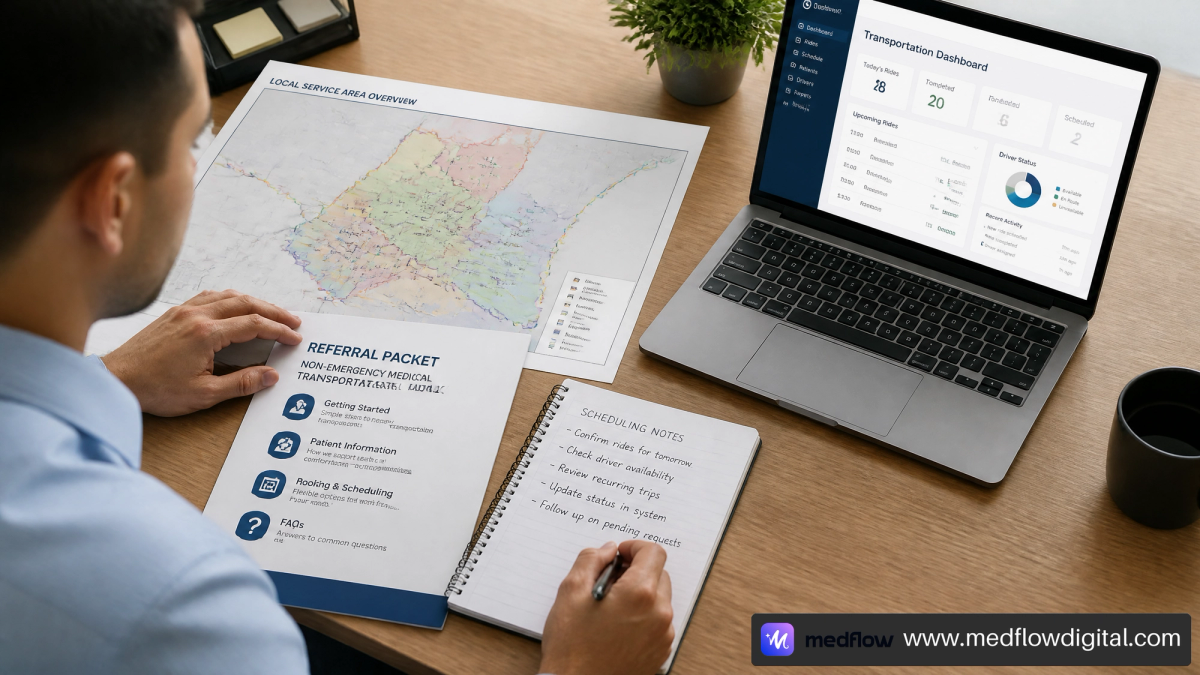
For instance, a page for a county with several dialysis clinics should explain whether recurring trips are available, how far in advance they should be requested, and what information dispatch needs. That is more useful than repeating broad claims about “quality transportation.”
Make the website answer booking questions fast
Your NEMT website should make essential answers visible before a visitor has to call.
• What areas do you serve?
• Which ride types can you provide?
• How does someone request or schedule transportation?
• How much advance notice is required?
• What information is needed for a quote or booking?
• What should a referral partner do if they need help coordinating a trip?
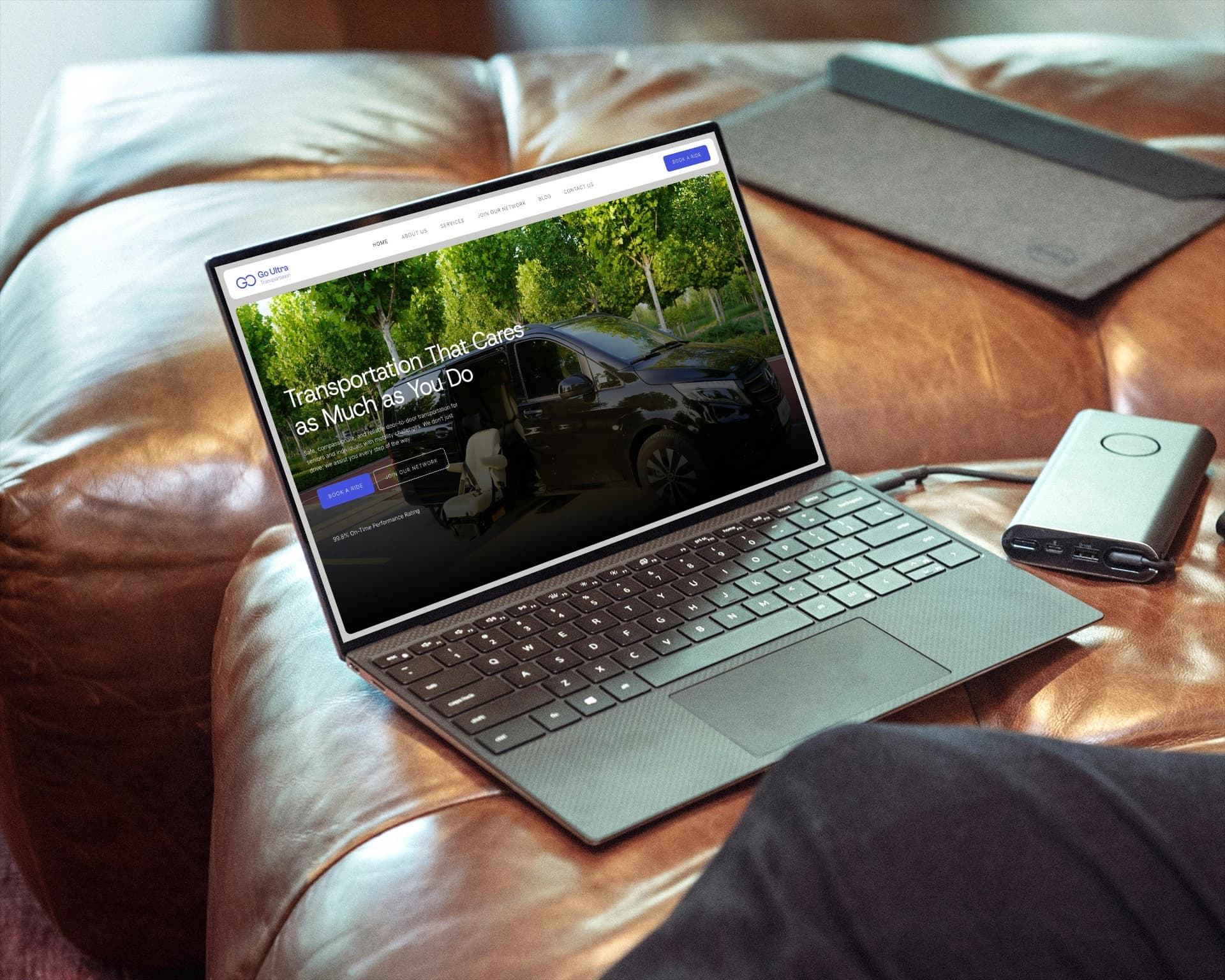
I recommend testing the site from a caregiver’s perspective. If someone cannot find your phone number, service area, or booking instructions within a few seconds, the site is creating unnecessary friction.
Choose Marketing Channels Based on Your Goal
There is no single best channel for every NEMT provider. The right mix depends on whether you need immediate private-pay demand, more recurring referrals, stronger local awareness, or a clearer brand presence.
Compare channels before spending
| Channel | Best use | Choose it when | Avoid relying on it alone when |
|---|---|---|---|
| Local SEO | Ongoing local discovery | You serve defined cities or counties and can maintain useful location content | You need immediate demand with no existing local foundation |
| Google Business Profile | Map visibility and trust | You have accurate operating details and can manage reviews | Your website and phone intake are unclear |
| Facility outreach | Recurring referral opportunities | You can support a dependable referral and follow-up process | You lack capacity for the trips you are promoting |
| Paid search ads | High-intent demand capture | You can track calls and qualify bookings quickly | Your budget is too limited to support focused local targeting |
| Social media | Brand awareness and community visibility | You have educational content and a clear local audience | You expect it to replace referral relationships or search demand |
| Printed referral materials | Facility coordination | Staff need a simple, sharable overview | The material lacks a current phone number or scheduling process |
Paid search can be useful for targeted service terms and locations, but it should not be treated as automatic growth. Broad ads can attract people looking for services you do not provide, coverage you cannot confirm, or immediate pickups your dispatch team cannot accommodate.
Use social media to build familiarity, not make promises
Social media can help show that your company is active, professional, and locally available. It is usually more effective for credibility and awareness than as the only source of booked rides.
Useful topics include:
• How to prepare for a medical transportation pickup
• What information to have ready when scheduling a ride
• How wheelchair transportation differs from standard passenger transportation
• Service-area announcements and holiday-hour updates
• Facility-friendly reminders about referral procedures
Avoid posting patient stories, trip specifics, or health details without appropriate authorization. Even a seemingly harmless photo or caption can create privacy concerns when it identifies a person receiving care.
Decide whether to manage marketing internally
DIY marketing can work when someone has time to maintain the website, respond to reviews, create local pages, track calls, and coordinate outreach. Outside help may make more sense when marketing tasks are consistently delayed or results cannot be measured.
For a practical comparison of responsibilities, cost considerations, and likely trade-offs, see NEMT Marketing Agency vs DIY.
Track Results and Protect Patient Trust
Marketing should connect to operating results. A high call count may look positive, but it does not tell you whether those calls became rides, recurring customers, or reliable referral relationships.
Track the metrics that affect growth
I recommend reviewing a small set of metrics monthly and by channel.
| Metric | What it tells you | Practical use |
|---|---|---|
| Qualified inquiries | Whether leads fit your service area and trip types | Identify channels producing better prospects |
| Call-to-booking conversion | How many relevant calls turn into scheduled rides | Improve intake scripts and booking friction |
| Cost per booked ride | Marketing cost divided by completed or booked rides | Compare paid channels with real revenue outcomes |
| Repeat-ride rate | Share of riders who book again | Evaluate retention and recurring demand |
| Active referral partners | Facilities or coordinators sending usable referrals | Measure relationship-building progress |
| No-show or cancellation pattern | Whether certain lead sources create unstable demand | Refine messaging and intake expectations |
A simple example: if a paid campaign produces 50 calls but only two booked rides, it may be generating the wrong type of demand. If facility outreach produces fewer inquiries but several recurring rides, it may deserve more staff attention even if it looks less impressive at the top of the funnel.
Keep privacy and coverage claims accurate
NEMT marketing can overlap with healthcare information, payer rules, and transportation broker requirements. That calls for careful wording.
• Do not imply that every rider qualifies for Medicaid-funded transportation.
• Do not promise coverage, authorization, or reimbursement before the relevant program or payer confirms it.
• Do not publish patient information, ride records, or medical details in testimonials or social posts without appropriate authorization.
• Do not claim accessibility capabilities your vehicles, equipment, or staff cannot reliably provide.
• Review state Medicaid, broker, licensing, and insurance requirements before using program-specific promotions.
Medicaid-related NEMT arrangements can differ by state and program. A clear statement such as “Eligibility and authorization may depend on your plan or transportation coordinator” is generally safer than a blanket coverage promise.
Fix common marketing failures before adding budget
| Common problem | Why it fails | Better response |
|---|---|---|
| Generic ads to a wide audience | Produces inquiries outside your service area or ride capabilities | Target specific locations, services, and booking requirements |
| Website without clear booking instructions | Visitors cannot tell how to request a ride | Add visible phone, form, notice period, and service-area details |
| One-time facility outreach | Busy staff forget the message | Use a respectful follow-up sequence and updated referral materials |
| Measuring only clicks | Clicks do not show whether rides were booked | Track qualified inquiries, bookings, and repeat rides |
| Overpromising coverage | Can create confusion and trust risk | Use accurate, conditional language about eligibility and authorization |
Conclusion
The strongest NEMT marketing ideas are grounded in operational reality. Build visibility where local riders and caregivers search, make facility referrals easy, communicate capabilities clearly, and measure booked rides instead of attention alone.
If your company needs a more structured growth plan, start by reviewing your service area, referral process, website conversion path, and the few metrics that show whether marketing is producing dependable transportation demand.
Sources and References
Primary sources specifically validating NEMT marketing tactics could not be verified for this article. Marketing recommendations above are practical guidance and should be reviewed against your state rules, payer requirements, broker agreements, privacy obligations, and operational capacity.
Frequently asked questions
What are the best NEMT marketing ideas for a small business?
How do NEMT companies get more referrals from hospitals and clinics?
What is the best way to market NEMT services locally?
Should NEMT businesses focus on SEO, ads, or referrals first?
How can a new NEMT company get its first clients?
How do I market NEMT services to dialysis centers?
What should an NEMT website include to convert visitors?
How do I market NEMT without wasting money on broad advertising?
How do I make my NEMT business stand out from competitors?
How do I track whether NEMT marketing is working?
Related Blogposts
Continue reading more insights from our medical marketing experts.
NEMT Marketing
Learn how to get your NEMT business recommended by ChatGPT and Google AI, from schema markup to FAQ content to citation building, with specific steps.
NEMT Marketing
NEMT website vs. Google Business Profile: find out what each one does, where each falls short alone, and why NEMT operators need both to generate consistent leads.
NEMT Marketing
NEMT operators spending $0 on marketing are losing facility contracts and private pay clients every day. Here's what it costs you and where to start.
Marketing & Design Newsletter
Subscribe to our newsletter and get cutting-edge marketing strategies, design inspiration, and exclusive tips delivered straight to your inbox.